The "Plantimeter" System
This was my PIF (Projet Intégré Final) — the capstone project for my Computer Technician diploma. I built a complete IoT plant monitoring and automation system from scratch: hardware nodes, firmware, backend server, web dashboard, and enterprise networking.
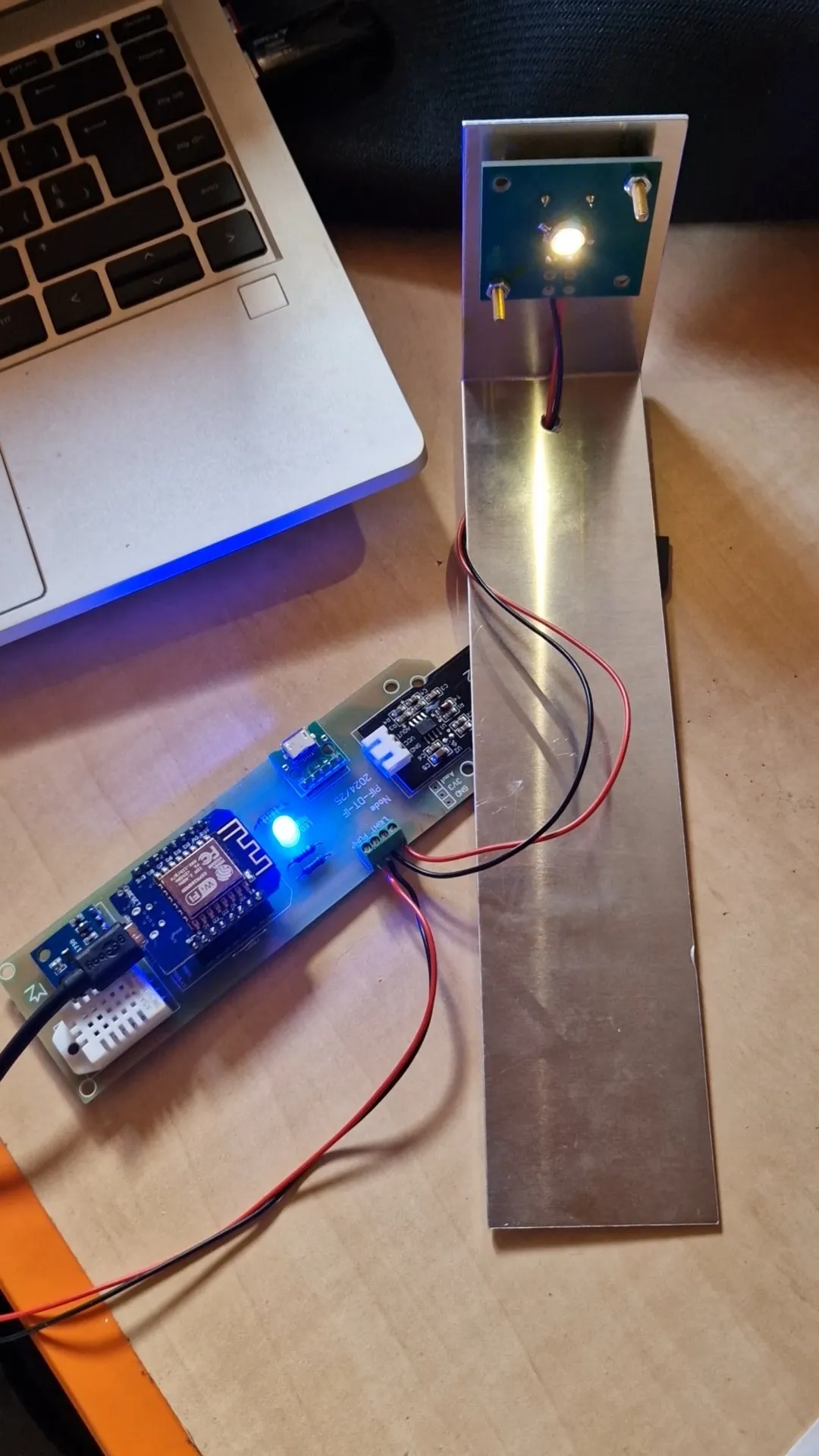
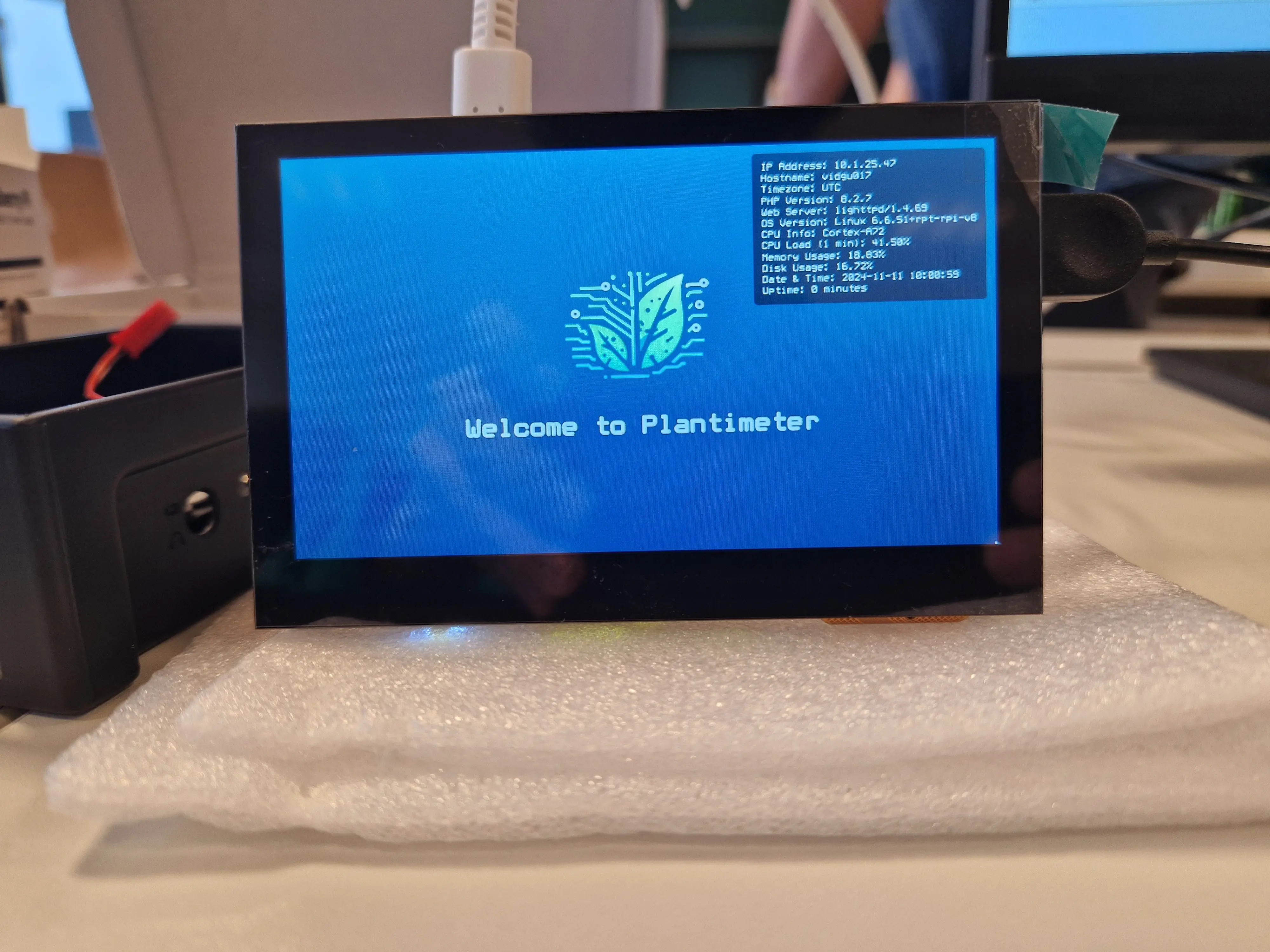
What It Does
The system automates plant care and provides real-time monitoring:
- Environmental Sensing: Measures soil moisture, air temperature, humidity, and ambient light using calibrated sensors.
- Automated Watering: Triggers the water pump based on soil moisture thresholds or scheduled tasks.
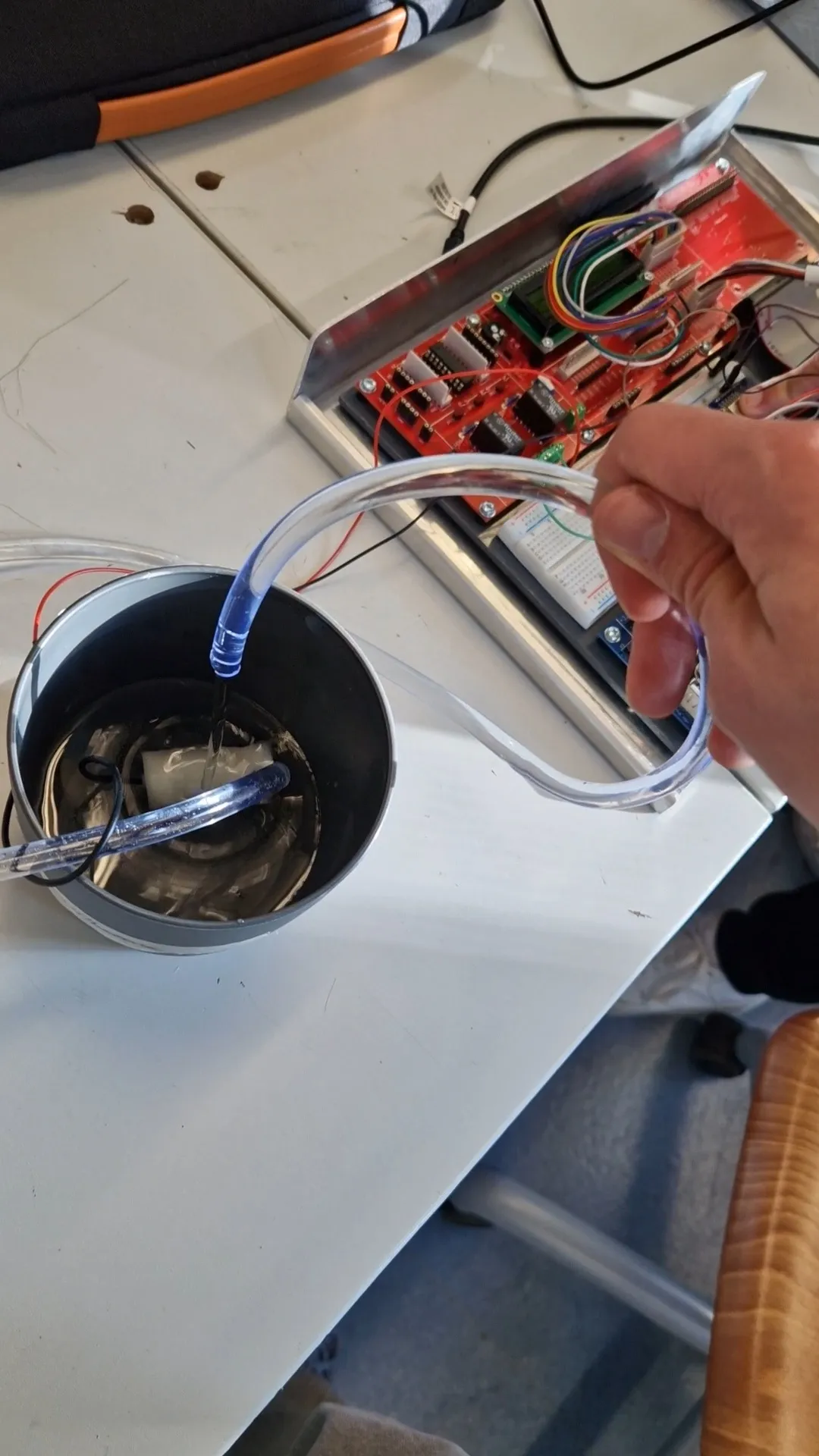
Automated watering system: Water pump mechanism controlled by soil moisture sensors
- Grow Light Control: Activates 1W LED when light levels drop below optimal range.
- Web Dashboard: Admin panel with real-time charts (ApexCharts), task scheduling, user management, and plant variations.
- Dynamic Backend: PHP API-driven architecture for real-time updates, log history viewer, and seamless data management.
- User Experience: Login security, separated user/admin views, fuzzy search throughout, and modals for improved workflow.
- Touch Kiosk UI: Optimized interface for the Raspberry Pi touchscreen display, designed for better usability despite the small screen size.
The Network
I designed and configured a complete enterprise-style network in Cisco Packet Tracer:
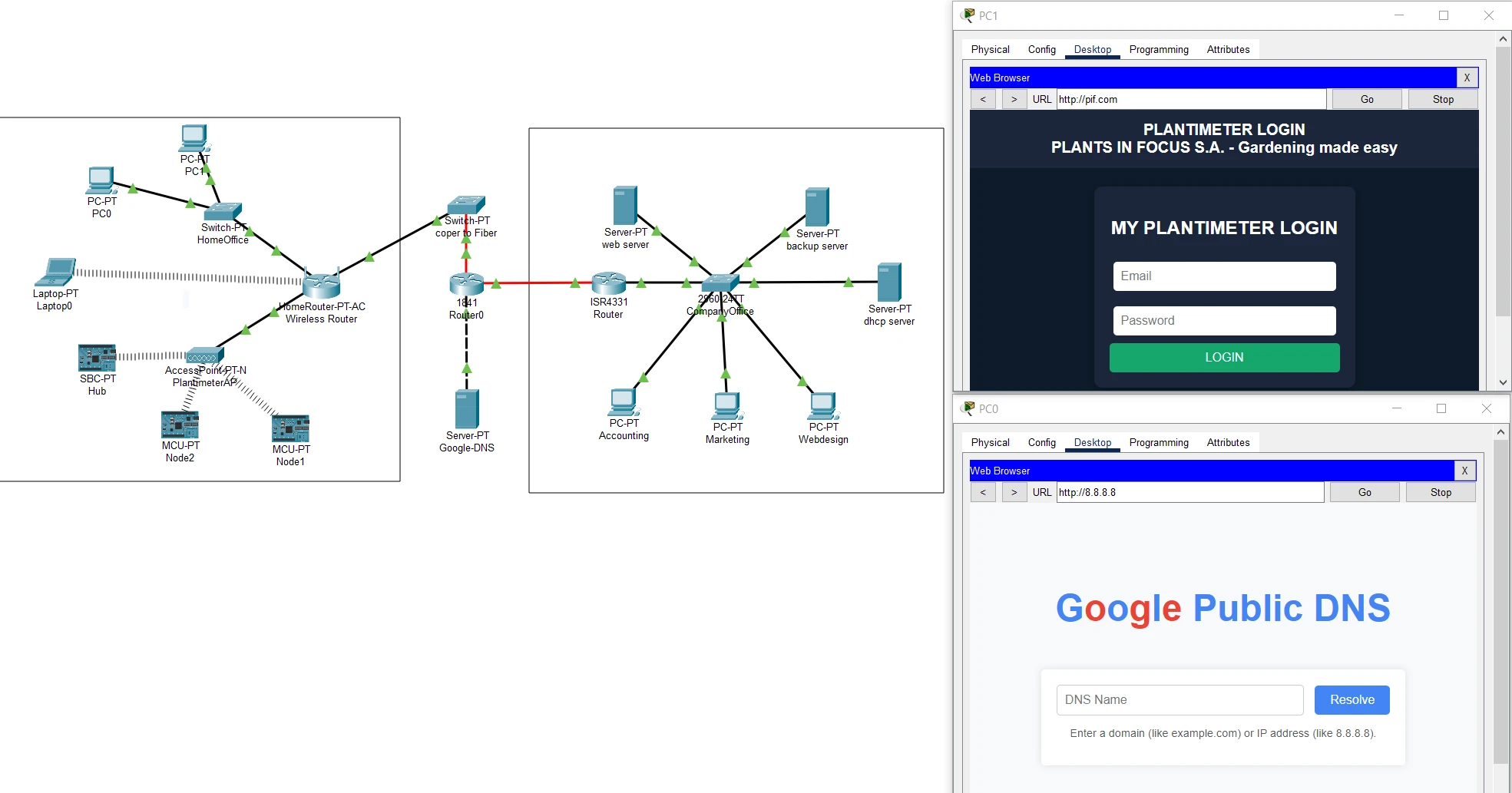
Network topology in Cisco Packet Tracer: Enterprise network with VLANs, routers, and security configurations
- Firmennetzwerk: VLANs (10/20), DHCP server, ISR4331 router with NAT/PAT and ACLs.
- Heimnetzwerk: Separate WLAN for nodes (PlantimeterAP) with WPA2-PSK, routed to the firm network.
- ISP Simulation: Dedicated router simulating internet provider with DNS (Google 8.8.8.8) and fiber link.
- Security: Port-based ACLs, NAT for web/FTP access, proper routing tables.
- Gigabit Architecture: Designed the entire network for Gigabit speeds. When a required router couldn't connect directly to the correct interface, I implemented a copper-to-fiber converter bridge to maintain full Gigabit throughput, demonstrating problem-solving and understanding of network speed requirements.
Why I Built It
This was my final exam project for the Computer Technician diploma. It had to demonstrate skills across hardware, software, networking, and documentation. I chose to go beyond the requirements — implementing "Should" and "Could" features, plus my own innovations like fuzzy search and a 80°C safety cutoff.
The project was developed in sprints (A1–A7 for hardware/firmware, L1–L7 for server/network), each with clear goals, tests, and documented difficulties. The final documentation was over 100 pages.
Lessons Learned
- Hardware debugging is humbling — Swapped resistors, wrong pin soldering, and sensor calibration taught me patience and attention to detail.
- Full-stack means full responsibility — From PCB to PHP, every layer had to work together. One bug anywhere breaks everything.
- Documentation is a skill — Writing 100+ pages of structured documentation with user stories, diagrams, and test results was as challenging as the code.
- Security matters from day one — Fail2Ban, SSL, UFW, prepared statements — I learned to think about security at every layer.